Turning Guidance into Action: Insights from the FAO Expert Workshop on Sustainable Aquaculture
28 March 2026 | 549 Downloads | .pdf | 2.1 MB
NACA recently participated in the FAO Expert Workshop, "Turning guidance into action: regional insights for implementing the Guidelines for Sustainable Aquaculture," held from 24-25 February 2026, in Rome, Italy. As a partner of the Food and Agriculture Organization of the United Nations (FAO), we are pleased to share the outcomes of this event and highlight the path forward for our sector.
A Vision for the Future of Aquaculture
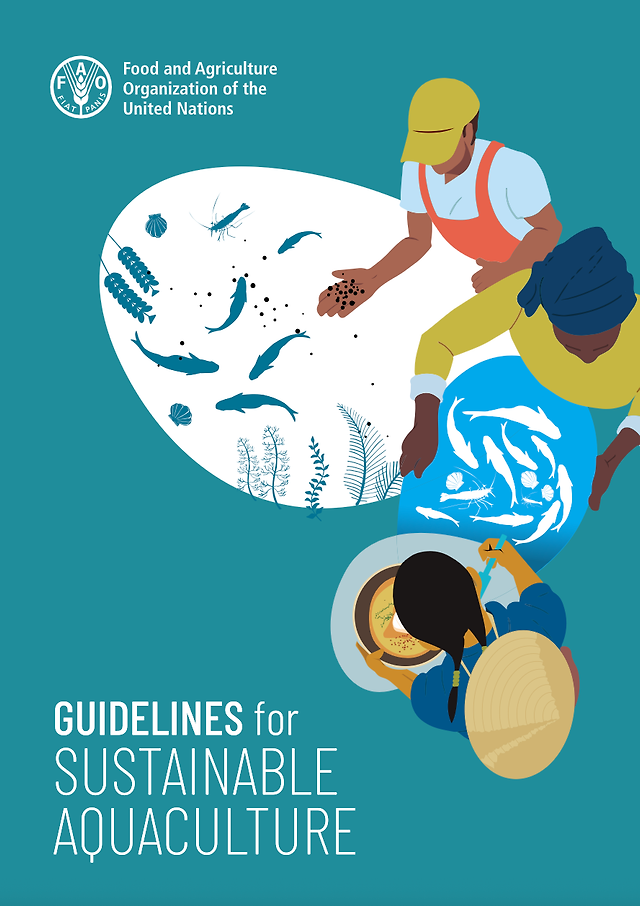
The Guidelines for Sustainable Aquaculture (GSA) represent a major milestone in promoting best practices. Developed through consultations between FAO and its Members, they contain a set of shared and agreed principles, practices and recommendations designed to promote a sustainable aquaculture sector worldwide.
The vision underpinning the GSA is an aquaculture sector that contributes significantly to a world free from hunger and leads to the equitable improvement of the living standards of all actors in its value chains, including the poorest.
To achieve this, the main body of the GSA provides concrete recommendations across four critical areas for the economic, social and environmental sustainability of aquaculture:
- Governance and planning.
- Sustainable resource use, ecosystem and farm management.
- Social responsibility, decent work and gender equality.
- Value chains, market access and trade.
Moving from "What" to "How"
While the GSA clearly articulate what needs to be done to make aquaculture sustainable, the critical next step is supporting stakeholders in understanding how to put these recommendations into practice. This was the driving force behind the Rome workshop.
Building on the momentum of five EU-funded Regional Workshops held across the globe in 2025, the expert gathering aimed to translate regional insights into practical, country-adaptable implementation guidance.
Creating an Enabling Environment
Implementing the GSA requires robust institutional support, coordinated efforts, and effective resource mobilization. The GSA emphasises four main areas to create a favorable environment for policy change:
- Funding and Financing: Expanding access to public and private investments, blended finance, and insurance schemes to support infrastructure and small-scale farmers.
- Research and Innovation: Investing in advanced technologies for climate-resilient systems and incorporating traditional knowledge to improve efficiency and reduce environmental impacts.
- Communication: Utilizing effective tools to support informed decision-making and build credibility among stakeholders.
- Capacity Building: Strengthening the skills of all stakeholders through inclusive, long-term participatory interventions, educational opportunities, and financial literacy training.
Developing Practical Tools for Implementation
Translating the GSA from voluntary guidelines into national policies requires practical, on-the-ground resources. To address this, the workshop focused on three core areas to support member states:
- The Decision-Support Tool: A major focus of the group work was identifying and preparing elements for a new decision-support tool. This tool will provide a roadmap and a monitoring and evaluation methodology with measurable indicators to help countries adapt the GSA to their specific contexts.
- Communication and Outreach: Effective communication is essential for building consensus and countering misinformation about the sector. Participants reviewed the new GSA Communication Handbook and Toolkit, discussing actionable ways to use and share these resources within their own regional networks.
- Regional Case Studies: To ensure future implementation is grounded in real-world realities, the workshop gathered expert guidance on developing GSA case studies. These studies will showcase successful approaches and transferable lessons from diverse regions, highlighting what sustainable aquaculture looks like in practice.
The Way Forward
While the GSA are voluntary, they serve as a critical reference for policy and decision-making. NACA encourages policymakers, private enterprises, and community stakeholders to implement and integrate the GSA into their governance frameworks.
The guidelines provide a clear and actionable roadmap. By adapting these principles to our diverse regional and national contexts, we can maximize the sector's contributions to global food security and nutrition, poverty reduction and environmental conservation, ensuring a resilient, equitable and sustainable future for all.
You can download the Guidelines on Sustainable Aquaculture from FAO, along with a fact sheet, policy brief, and communications toolkit at the links below:
1776746321_guidelines-on-sustainable-aquaculture.pdf
Creative Commons Attribution.
Related
Aquaculture transformation: Innovation and investment for sustainable intensification and expansion of aquaculture in Asia and the Pacific region
24 March 2025 | FAO, NACA | 13779 views | .pdf | 4.76 MB