Tiny guardians of hill streams: Exploring the ornamental loaches of the Western Ghats
26 June 2026 | Abhilash C.P., Saikrishnan K.R., Sarath Varghese, Charan Ravi and V.S. Basheer | 299 Downloads | .pdf | 3.32 MB
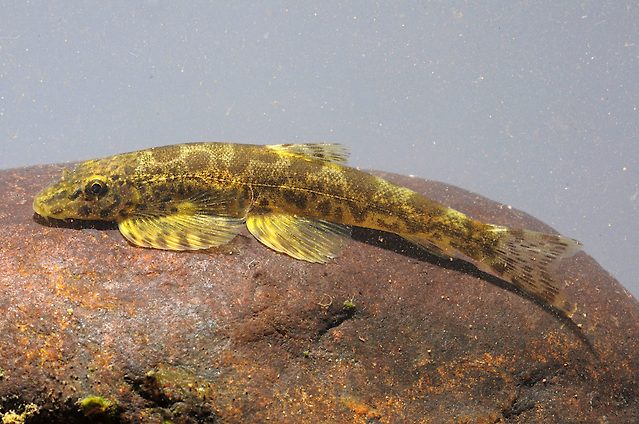
Loaches of the families Cobitidae and Nemacheilidae are small, bottom-dwelling freshwater fish adapted to the fast-flowing hill streams of the Western Ghats. They have elongated, often scaleless bodies, barbels around a subterminal mouth, and cryptic colouring that camouflages them among rocks and gravel; many also have a retractable suborbital spine for defence. The region supports at least 43 species across 12 genera, of which 39 are endemic, reflecting strong habitat specialisation and evolutionary isolation, with endemism highest in the southern Ghats.
This article reviews the morphology, habitat, feeding, behaviour, and conservation status of these loaches. They occur from high mountain torrents to lowland forest streams, usually over rocky or gravelly beds with clear, oxygen-rich water. As bottom feeders, they forage on algae, biofilm, detritus, insect larvae, and small invertebrates, and they contribute to nutrient cycling and serve as indicators of stream health.
Several species are valued in the global ornamental fish trade. The Zebra loach (Botia striata) is the most heavily exploited, with more than 265,000 individuals exported over five years, raising concerns about over-harvesting. Other traded species include Mesonoemacheilus triangularis and Lepidocephalichthys thermalis.
These loaches face habitat loss, pollution, dam construction, and unregulated collection, and species such as B. striata and Travancoria elongata are listed as Endangered by the IUCN. Most remain outside India's Wildlife Protection Act. The article identifies captive breeding, habitat restoration, stronger legal protection, and community engagement as priorities for conserving this distinctive freshwater fauna.
1782446188_hill-stream-loaches-western-ghats.pdf
Creative Commons Attribution.