Securing the future of the melon barb: Science-based aquaculture for conservation
26 June 2026 | Saikrishnan K.R., Abhilash C.P, Sarath Varghese, Charan Ravi, V.S. Basheer and Kajal Chakrabarty | 261 Downloads | .pdf | 874.87 KB
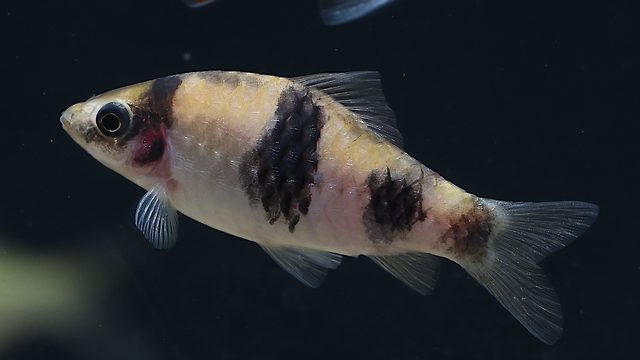
The melon barb (Haludaria fasciata) is a freshwater cyprinid endemic to the Western Ghats of India, native to the cool hill streams of Kerala and Tamil Nadu. Its lemon-yellow lateral stripe and schooling behaviour have made it a favourite of the global ornamental fish market. In the wild, the species lives in well-oxygenated streams with cobble-stone beds and riparian vegetation, at water temperatures of 22 to 28 °C. Deforestation, sand mining, urban encroachment, and agricultural runoff now threaten these habitats and have caused a measurable decline in native populations.
This article describes a science-based approach to captive breeding that pairs conservation with rural livelihoods. Farmers condition broodstock for two to three weeks on a high-protein, carotenoid-enriched diet, then raise water temperature to around 26 °C to mimic natural monsoon spawning cues. Spawning tanks fitted with mesh false bottoms and spawning mops protect the adhesive eggs, which hatch within 20 to 26 hours. The account follows the delicate larval phase, where newly hatched fish absorb yolk reserves before feeding on live Artemia nauplii, then wean onto Moina and micro-diets. Juveniles reach 25 to 30 mm within a month and sexual maturity within four to five months, allowing several breeding cycles each year.
The article also examines the economics. A starter hatchery can be established for around ₹22,500, and 30 breeding pairs can yield 5,400 to 8,400 juveniles in two months, with gross returns that exceed ₹50,000 per cycle. Beyond income, captive production relieves harvest pressure on wild stocks and supports ex-situ brood banks and genetic resource centres for restocking depleted streams. Combined with catchment reforestation, riparian buffers, and pollution control, hatchery-based measures offer a practical route to securing the long-term survival of the species while sustaining the ornamental fish trade.
1782454043_melon-barb-haludaria-fasciata.pdf
Creative Commons Attribution.