The Center for Excellence for Shrimp Molecular Biology and Biotechnology (Centex Shrimp) will organise this training course from 10-21 September, 2018. Tailored to those involved in shrimp research, you will learn from the very best in the field about major and emerging shrimp diseases, shrimp farm management, gross inspection and molecular diagnosis of shrimp infectious diseases. You will have opportunities to try your hand in a series of practical sessions, including anatomical inspection using digital slides, nucleic acid detection, and many more.
The 76th edition of the Quarterly Aquatic Animal Disease Report contains information from 14 governments. The foreword discusses the outcomes of a Stakeholder Consultation on Progressive Management Pathway to Improve Aquaculture Biosecurity, organised by the Food and Agriculture Organization of the United Nations, Mississippi State University and the World Bank.
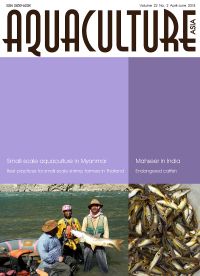
Mahseer in recreational fisheries and ecotourism in India; Small-scale aquaculture of wild fish in Myanmar: A preliminary report from the Bago Region; Current know how and possibility for growout culture of an endangered catfish, Horabagrus brachysoma; Accelerated poverty alleviation of tribal households - cage fish farming by displaced fishers in reservoirs of Jharkhand; Adaptive learning in sustainable aquaculture: Best practices for small-scale shrimp farmers in Thailand; NACA Newsletter.
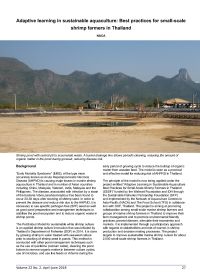
Early mortality syndrome of the type more accurately known as Acute Hepatopancreatic Necrosis Disease is causing major losses in marine shrimp in a number of Asian countries. The disease is associated with infection by a strain of the bacteria Vibrio parahaemolyticus. Here we describe a project to reduce the incidence of disease and improve crop outcomes for small-scale farmers in Thailand via an adaptive learning approach, implemented in association with farmer societies and collectives.
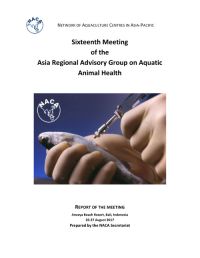
This report summarises the proceedings of the 16th meeting of the Advisory Group, held 26-27 August 2017 in Bali, Indonesia. The group's role includes reviewing disease trends and emerging threats in the region, identifying developments in global aquatic disease issues and standards, evaluating the Quarterly Aquatic Animal Disease Reporting Programme and providing guidance on regional strategies to improve aquatic animal health management. The meeting included discussion on Tilapia Lake Virus (TiLV) and developments in antimicrobial resistance.