Quietly transforming catfish aquaculture: ICAR-CIFA's seed production journey in India
26 June 2026 | S.K. Sahoo and S.S. Giri | 335 Downloads | .pdf | 4.37 MB
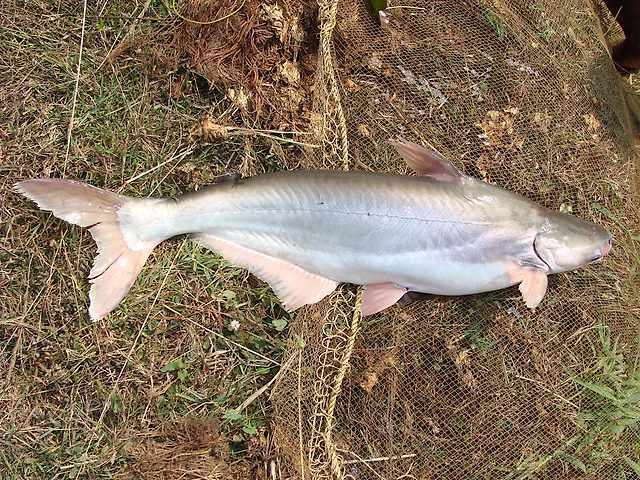
Freshwater aquaculture in India has long been dominated by carp, which gave farmers stable yields and assured hatchery seed. Catfishes, however, have always commanded higher prices and strong consumer preference for their soft, tasty, largely boneless flesh. Despite this demand, catfish farming remained marginal for decades. The constraint was not market interest or growth potential, but seed. Most indigenous catfishes depended almost entirely on wild fry collected from rivers, wetlands and floodplains, where supply was seasonal and unpredictable. Without reliable seed, farmers could not plan, and most returned to dependable carp.
This article describes how ICAR-Central Institute of Freshwater Aquaculture (ICAR-CIFA) addressed that constraint over nearly five decades. Rather than treating induced breeding as a single technical step, scientists approached catfish culture as a complete biological and production system, developing broodstock nutrition, induced spawning, hatchery engineering, larval feeding, nursery management and farmer adoption together. Progress came species by species. The article traces this work across small bagrid Mystus species, Rita chrysea, the pabda group Ompok species, the yellow catfish Horabagrus brachysoma, magur Clarias batrachus, singhi Heteropneustes fossilis, Clarias dussumieri, Pangasius pangasius and the predatory, cannibalistic Wallago attu.
Supporting technologies feature throughout. CIFA developed low-cost FRP modular hatchery units for magur and pabda, now adopted across several states, and stage-specific formulated feeds such as Starter-M, CIFAMA and dedicated Pangasius diets that improved survival, growth and nursery performance. A timeline sets out the progression from foundational work on air-breathing fishes in the 1970s and 1980s to species diversification in the 2020s.
The article also connects aquaculture development with conservation. Many of the catfishes covered are threatened or vulnerable due to habitat loss, overfishing and river regulation, so dependable captive breeding reduces pressure on wild stocks and supports stock enhancement. The result is a shift from uncertain, capture-dependent activity to organised hatchery production - a quiet, seed-led transformation of India's freshwater aquaculture sector.
1782478717_icar-cifa-quietly-transforming-catfish-aquaculture.pdf
Creative Commons Attribution.