Ornamental fish culture: A niche-sector pillar for advancing the sustainable development goals
5 October 2026 | Sourindam Paul, Suman Kumari and Basanta Kumar Das | .pdf | 5.32 MB
Ornamental fish culture is a high-value niche within global aquaculture. Tropical developing countries supply more than 60% of the ornamental fish traded worldwide. India has both strong export potential and a growing domestic market. The article examines how the sector contributes to the United Nations Sustainable Development Goals (SDGs).
Ornamental fish farming needs little land, low investment and modest labour, so households can run it in backyards, on rooftops or in small cement cisterns. Most Indian production comes from small units, and the Pradhan Mantri Matsya Sampada Yojana scheme has allocated signficant funds to develop the industry and create 700,000 jobs.
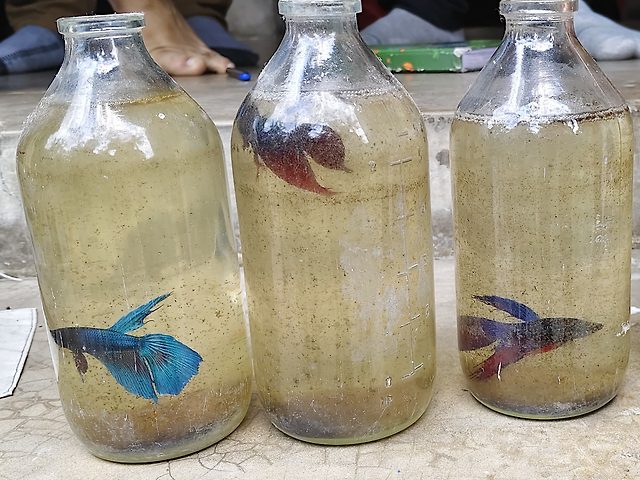
Ornamental fish can sell for up to 100 times the price of food fish, giving landless and marginal farmers a source of extra income. In West Bengal, farmers in Udayrampur rear Betta splendens in reused glass bottles, while households in Makardah and Kalyani raise exotic species in backyard cement cisterns. The trade also supports related businesses such as feed, aquarium and accessory manufacturing, and logistics.
Because the work fits around household duties, it suits women. The ICAR-Central Inland Fisheries Research Institute has helped Scheduled Caste and Scheduled Tribe women in West Bengal and Odisha set up their own farming units, giving them independent income and a greater say in household decisions.
Captive breeding also has a conservation role. Around 95% of Indian ornamental fish exports come from wild collection, which puts pressure on biodiversity hotspots such as the Western Ghats. Breeding native species in captivity can relieve this pressure, and hatchery-bred fish may be used to restock depleted wild populations. Recirculating aquaculture systems, aquaponics and biofloc technology reduce water use and the risk of farmed fish escaping. Certification schemes such as MPEDA's Green Certification promote responsible sourcing. Using probiotics and prebiotics instead of antibiotics is another practice that could transfer to food fish farming.
Challenges remain. Some high-value species are hard to breed in captivity, and destructive wild collection continues. Small producers, especially women, often lack market access and logistics, and need ongoing technology transfer in breeding, husbandry and disease diagnosis. Climate change, habitat loss and pollution also threaten the tropical ecosystems the trade relies on. Within a structured development framework, ornamental fish culture can advance goals on poverty, gender equality, decent work, innovation, responsible production and life below water.
1791207981_ornamental-fish-culture-to-advance-sdgs.pdf
Creative Commons Attribution.