Livelihoods, gender and social issues

Aquaculture livelihoods and social issues in rural communities.

Creative Commons Attribution.

Related

Subject tags

A collection of subject tags relating to technical matters.

In this collection

Thailand charts aquaculture transformation plan at Bangkok workshop

Bangkok, 21-22 October 2025 - Thailand convened a two-day workshop at the Department of Fisheries to shape a National Innovation and Investment Plan (NIIP) for aquaculture. The meeting formed part of FAO’s Technical Cooperation Programme project TCP/RAS/4004, implemented with NACA, which is supporting India, the Philippines, Thailand and Viet Nam to prepare NIIPs and link them into a shared Aquaculture Transformation Monitoring, Evaluation and Learning System (ATMS) for Asia and the Pacific.

Small indigenous fish species: A source of nutritional security through rural aquaculture development

Small indigenous fish species (SIS) are common in South and Southeast Asian inland waters and are often eaten whole. This article reviews evidence that SIS provide bioavailable vitamin A, iron, zinc, calcium and B12, alongside protein and long-chain omega-3s. It examines practical options for including SIS in carp ponds and rice-fish systems, drawing on recent field programmes, and identifies constraints, especially the seasonal, unreliable supply of seed from capture fisheries. The article considers which species are realistic candidates for hatchery production and what husbandry is required. The aim is to give producers, extension staff and policymakers a clear view of when SIS integration adds value, and what investments are needed to pilot and scale it responsibly.

Integrating fish farming with ducks and poultry in Meghalaya: A case study in a farmer’s field

How can small farms boost fish yields, cut feed bills and earn from more than one crop at a time? In Meghalaya’s Ri Bhoi district, one farmer shows the way with an integrated fish-duck-poultry system across four linked ponds. Ducks and poultry “pay their rent” by fertilising the water, which powers natural food webs for carp and rohu; simple gravity flow spreads nutrients and improves aeration. Over an eight-month cycle, the farm sells fish, ducks, poultry, eggs and even dyke crops like banana and turmeric - while keeping inputs low and water quality stable. This practical case study explains the layout, stocking plan and daily management behind the results, and why integrated aquaculture is a smart, climate-resilient option for small holders.

AquaHub private-sector engagement discussion at 3rd AQUADAPT Peer Learning Event

Pathum Thani, 5-6 October - NACA participated in the 3rd AQUADAPT Peer-Learning Event at the Asian Institute of Technology Conference Center. Partners reviewed progress on nature-based solutions (NbS) in aquaculture, shared experience and set priorities for the year ahead. The two-day programme combined project presentations, a world-café on climate resilience, and working sessions designed to turn research insights into practice.

The AquaHub project of NACA and FutureFish led a working session on “Knowledge brokering: Private sector engagement and nature-based and inclusive business models,” convening researchers and practitioners to sharpen strategies for scaling NbS through market actors across the value chain, from small-scale farmers and associations to SMEs and larger enterprises. Discussion centred on pragmatic engagement models that can connect research outcomes to investable, inclusive business opportunities.

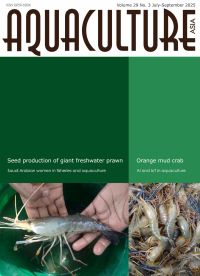
Aquaculture Asia Magazine, July-September 2025

In this issue:

  • From office to field: The role of women in Saudi Arabia’s small-scale aquaculture and fisheries sector
  • Farming of orange mud crab in the Indian Sundarbans: Opportunities and challenges
  • Seed production of giant freshwater prawn in brackishwater ponds in Purba Medinipur, West Bengal
  • AI and IoT (AIoT): The New Wave in Fish Farming
  • NACA Newsletter

From office to field: The role of women in Saudi Arabia’s small-scale aquaculture and fisheries sector

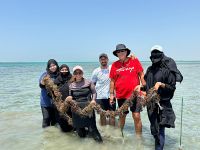
Saudi Arabia’s coastal communities are opening new pathways for women in aquaculture and fisheries. Under the REEF programme led by MEWA, recent pilots have shifted participation from office-based roles toward hands-on production and processing. Seaweed farming trials of Gracilaria multipartita in Jeddah and the Farasan Islands show why: accessible tasks, modest equipment needs, and suitability for community-run operations. In parallel, a women-led seafood processing initiative in the Farasan Islands has provided training, essential tools, and branding skills, improving hygiene and product quality and motivating participants to form cooperatives; a tuna-canning exercise highlighted the potential for higher value capture.

Farming of orange mud crab in the Indian Sundarbans: Opportunities and challenges

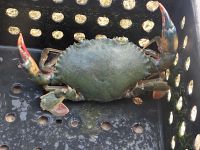
Orange mud crab (Scylla olivacea) has emerged as the main mud crab for aquaculture in the Sundarbans, supplying India’s live-crab export trade. This article explains why: faster maturation at smaller sizes, strong demand for gravid females, and practical fattening systems using HDPE boxes or seasonal pond units with tied claws. It summarises how farmers source crabs, feed with trash fish, grade by size and reproductive status, and move product through local traders to export hubs.

Cweed Aquasolutions: Empowering Communities Through Nature-based Solutions

Cweed Aquasolutions, a spin-off from Universiti Malaya, works with coastal communities to develop seaweed cultivation through integrated multi-trophic aquaculture. The initiative repurposes abandoned shrimp ponds in Peninsular Malaysia, providing training and technical support for farmers to start seaweed farming. Cweed Aquasolutions also buys back harvested product, creating a sustainable livelihood model that links community development with nature-based aquaculture solutions. This pitch was presented Adibi M. Nor, CTO of Cweed Aquaculture Solutions.

LEAPS: Leveraging Climate-Smart Shrimp Aquaculture Solutions in Indonesia

LEAPS is a climate-smart aquaculture initiative in Java that combines shrimp farming with mangrove restoration to strengthen coastal community resilience. Implemented under the AQUADAPT program with funding from Global Affairs Canada and IDRC, the project promotes inclusive, nature-based approaches for small-scale shrimp aquaculture. By integrating real-time IoT water quality monitoring, wastewater treatment and gender-responsive practices, LEAPS reduces greenhouse gas emissions while restoring mangroves and supporting communities. The project also informs evidence-based policy, helping scale sustainable aquaculture solutions across the region. Aligning shrimp farming with ecosystem restoration, LEAPS supports both livelihoods and climate adaptation. This pitch was presented by Rocky Pairunan and Burhanuddin Zein.

Nature-based Aquaculture for Entrepreneurs and Innovators

Mariska Bottema (WorldFish) and Rebecca McMillan (IDRC) discuss the concept of nature-based aquaculture, why it matters for innovation and entrepreneurship, and how it can support ecosystems, communities, and profitability. Topics include: Defining nature-based aquaculture and its connection to nature-based solutions; criteria such as climate resilience, ecosystem health, reduced antimicrobial use, and inclusivity; global examples: mangrove–shrimp integration, women-led seaweed farming, integrated multi-trophic systems, and rice–fish farming; supportive technologies including IoT, renewable energy, and life cycle assessment; and opportunities for entrepreneurs: resilient farms, reduced risks, lower costs, premium markets, funding, and partnerships.

Transforming Aquaculture in Asia and the Pacific – 3rd High-Level Meeting in Shanghai

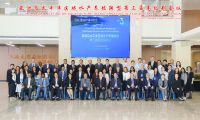
The 3rd High‑Level Meeting on Aquaculture Transformation in Asia and the Pacific, held 1–2 July in Shanghai, brought together governments, industry leaders and development partners to drive innovation, investment and sustainability in the region’s aquaculture sector. Discussions focused on scaling low‑cost fish production, making technology adoption easier for small farmers, improving access to finance, and strengthening regional cooperation. The meeting set clear priorities for accelerating transformation by 2030, with resources and key presentations now available online. Videos of the presentations are available for viewing on YouTube.

Background & objectives of the 3rd High Level Meeting on Aquaculture transformation in Asia-Pacific

This presentation by Eduardo Leaño, Director General of NACA, provides a background and introduction to the 3rd High-Level Meeting on Aquaculture Transformation in the Asia-Pacific Region (HLM-3).

The region accounts for around 90% of global aquaculture production but faces mounting challenges including resource scarcity, environmental pressures, climate change, and shifting global dynamics. Addressing these requires a strategic shift driven by innovation, investment, and stronger partnerships to build more efficient, inclusive, resilient, and sustainable aquatic food systems.

HLM-3 builds on the outcomes of previous high-level meetings and the Aquaculture Transformation White Paper, with a focus on national innovation and investment plans, regional collaboration, and implementation efforts to achieve transformation by 2030.

Summary of HLM-3 and next steps

This video presents a summary of key insights and forward-looking actions from the closing session of the 3rd High-Level Meeting on Aquaculture Transformation in the Asia-Pacific Region. It highlights the critical role of low-cost fish for food security, the need for intuitive technologies suited to smallholders, and the barriers posed by regulation and financing gaps. Key themes include the importance of genetic improvement, knowledge-based farming, improved access to expertise, and alignment of incentives for sustainable and profitable aquaculture. The session emphasises inclusive investment strategies, farmer integration into financial systems, and the need for regional coordination and collaboration to drive transformation through 2030.

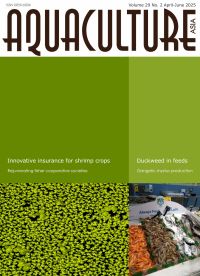
Aquaculture Asia Magazine, April-June 2025

In this issue:

  • From risk to resilience: Innovative crop insurance solutions for securing shrimp aquaculture in India
  • Efforts to rejuvenate primary fisher cooperative societies in South 24 Parganas District, West Bengal
  • Captive production of Gangetic mystus (Mystus cavasius): A guide for farmers
  • Shrimp farm biosecurity in Saudi Arabia: A journey from past practices to future vision
  • Wolffia globosa (duckweed) in aquafeeds for profitability and eco-friendly sustainable aquaculture
  • NACA Newsletter

Efforts to rejuvenate primary fisher cooperative societies in South 24 Parganas District, West Bengal

This article examines recent initiatives to rejuvenate primary Fisher Cooperative Societies (FCSs) in South 24 Parganas District, West Bengal, highlighting their critical role in advancing sustainable fisheries, rural livelihoods, and social protection. It outlines the structural, administrative, and policy frameworks that support FCS operations, particularly the government’s lease-based allocation of large freshwater bodies to cooperatives. The article also reviews the election procedures conducted under the West Bengal Cooperative Societies Act to reconstitute governance in 43 active societies, ensuring compliance and eligibility for state support.

Through detailed case data and programme reports, the article documents the outcomes of targeted schemes such as input distribution for sewage-fed and large-scale fish culture, equipment provisioning, pension benefits, and capacity-building training. It emphasises the cooperative model's effectiveness in managing natural resources, strengthening community self-governance, and enhancing productivity. With a focus on practical reforms and institutional accountability, the South 24 Parganas experience offers insights into scaling cooperative-led fisheries development in similar socio-ecological contexts.

From risk to resilience: Innovative crop insurance solutions for securing shrimp aquaculture in India

India's brackishwater aquaculture sector, particularly shrimp farming, holds immense potential but remains largely underexploited despite its significant contribution to global shrimp production and exports. Small-scale farmers, who form the backbone of this industry, face substantial challenges including limited access to credit and insurance, poor management practices, and vulnerability to disease outbreaks and extreme weather events. These risks lead to considerable crop losses and hinder the sector's stability and growth. This article underscores the critical role of crop insurance as a vital risk management tool to mitigate these financial losses, secure livelihoods, and promote the sustainable development of shrimp aquaculture in India.

This article details the risks associated with shrimp farming, such as climatic events, disease outbreaks, market volatility, and financial constraints. It also outlines comprehensive risk management strategies, including the adoption of better management practices, biosecurity measures, and contingency planning. The article identifies key challenges faced by both farmers and insurers and presents innovative solutions and strategic recommendations for developing more effective and inclusive shrimp crop insurance products.

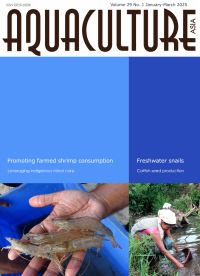
Aquaculture Asia Magazine, January-March 2025

In this issue:

  • Promoting farmed shrimp consumption in India’s domestic market: A step towards sustainability
  • Leveraging indigenous minor carp for sustainable aquaculture in Northeast India
  • Shaping the future of Indian aquaculture: A path to captive catfish seed success
  • Sustainable freshwater snail farming: Advancing nutrition security and rural livelihoods in Northeast India
  • Promotion and protection of small fish species through farming: An initiative in Tripura
  • NACA Newsletter

Promotion and protection of small fish species through farming: An initiative in Tripura

Small indigenous fish species (SIS) are a rich source of essential nutrients, including proteins, vitamins, and minerals, making them a vital component of rural diets. Despite their nutritional significance, SIS are often undervalued and excluded from aquaculture in favor of larger commercial species.

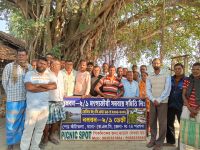
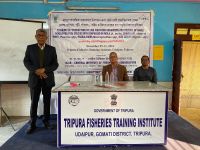
This study highlights an initiative by ICAR-CIFA in Tripura to promote and protect small fish species through sustainable farming practices. Training programs were conducted to educate local farmers on breeding, feeding, and rearing techniques tailored to SIS. Live food production was emphasised to improve larval survival rates, and mixed-species culture strategies were developed to enhance production efficiency. The initiative demonstrated that small fish farming is a viable livelihood option, particularly in backyard water bodies, providing food security, income generation, and biodiversity conservation.

Sustainable freshwater snail farming: advancing nutrition security and rural livelihoods in Northeast India

Northeast India faces significant nutrition security challenges, particularly in rural and tribal areas, where high stunting and anemia rates persist despite high per capita caloric intake. This article explores sustainable freshwater snail farming as a viable solution to address these nutritional deficiencies while enhancing rural livelihoods.

Freshwater snails, such as Pila globosa, Bellamya bengalensis, and Brotia costula, offer high protein content and essential minerals, particularly calcium and iron. Their nutritional value surpasses many plant-based protein sources and compares well with traditional livestock products. The study outlines three practical snail farming systems suited to different farming conditions. Economic analysis reveals that a small-scale backyard system can generate up to 1,800 kg of snails annually, yielding a 272% return on investment within five months. With proper training, infrastructure, and market linkages, freshwater snail farming can play a useful role in improving food security, economic resilience, and rural development in Northeast India.

A success story of freshwater prawn farming as an alternative livelihood for self-help and user groups in Mayurbanja District, Odisha, India

Freshwater prawn farming has emerged as a viable alternative livelihood for rural communities in Mayurbanja District, Odisha, under the Odisha Integrated Irrigation Project for Climate Resilient Agriculture (OIIPCRA). This World Bank-assisted initiative has supported tribal self-help groups and user groups in adopting aquaculture as a sustainable income source. Through capacity-building programs, exposure visits, and technical support, beneficiaries have successfully engaged in fish and prawn farming, enhancing food security and financial stability. The study evaluates the impact of freshwater prawn farming in two Minor Irrigation Projects (MIPs) in Karanjia and Shyamakhunta blocks, where genetically improved fish and Macrobrachium rosenbergii (scampi) were introduced. Despite challenges such as erratic weather and fluctuating water conditions, both sites demonstrated promising survival and growth rates, with MIP2 yielding superior production due to favorable water availability and market proximity. Economic analysis confirmed the feasibility and profitability of integrating freshwater prawn farming with modern aquaculture techniques.