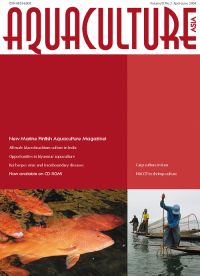
Genetic impacts of translocation on aquatic biodiversity in Asia. Carp culture in Iran. Opportunities and challenges in Myanmar aquaculture. Impacts of monosex Macrobrachium culture on seed availability in India. Use of new technology and skills for eco-friendly production of tiger shrimp Penaeus monodon. Larval rearing and spat production of the windowpane shell Placuna placenta. HACCP in shrimp farming. First breeding success of Napoleon wrasse Cheilinus undulatus and coral trout Plectropomus leopardus.
The recommendations are derived from discussions at the consultation and three expert working groups and were adopted during the final plenary session of the Expert Consultation. Together they represent a powerful set of recommendations in use of rapid diagnostic tools for better health management in shrimp aquaculture. They have been put together in this summary document for rapid dissemination to potential users, researchers and other interested parties, in India and elsewhere.
19 March 2004Department for International Development | 2462 Downloads | .pdf | 300.93 KB
In February 2002 the shrimp fry collection ban was placed into abeyance pending further review of how biodiversity could be conserved at the same time as protecting the livelihoods of 400,000 fry collectors. A Shrimp Action Plan for the period April - September 2002 was drawn up to identify trends impacting on distribution and growth in the shrimp sector, and to explore alternative models for the management of fry resource and to assess their social, institutional and economic implications.
18 March 2004Macfadyen, G., Banks, R., Phillips, M., Haylor, G., Mazaudier, L. and Salz, P. | 3229 Downloads | .pdf | 939.05 KB
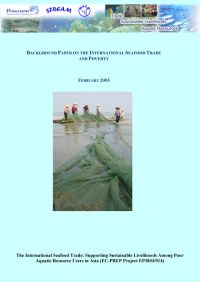
The purpose of this report is to provide an overview of the international seafood trade and poverty, with special reference to the trade in some selected marine products between Asia and the European Union. It represents Output 1 of the project “The International Seafood Trade: supporting sustainable livelihoods among poor aquatic resource users in Asia”, which was funded by the European Community's Poverty Reduction Effectiveness Programme (EC-PREP).
4 March 2004Claude E. Boyd | 2115 Downloads | .pdf | 14.94 KB
This article compares the use of chemical and biological amendments in shrimp farming in Asia and the Americas. The information comes mainly from the author’s experience in Thailand and Ecuador, as well as from the literature. The amendments are discussed according to three major categories: (1) water and soil quality management products, (2) biocides, and (3) feed additives. Certain agents, while necessary to successful shrimp farming, should be used only when needed and in a safe and responsible manner.