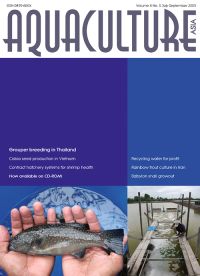
In this issue:
Asian Development Bank study on aquaculture and poverty. The consequences of converting to organic shrimp farming. Recycling water and making money with Artemia. Advances in the seed production of cobia Rachycentron canadum in Vietnam. Australian success with barramundi cod Cromileptes altivelis. Recent grouper breeding developments in Thailand. Application of probiotics in rotifer production systems. Contract hatchery systems. Rainbow trout culture in Iran. Spotted babylon Babylonia areolata growout in earthern ponds.
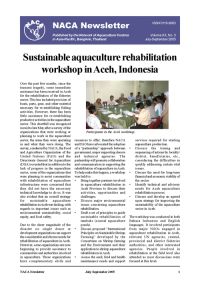
In this issue:
Sustainable aquaculture rehabilitation workshop in Aceh, Indonesia. STREAM policy briefs and better practice guidelines. 25 years of training in integrated fish farming. The Responsibilities of Leadership. A helping hand for those who needed it after the tsunami. An introduction to Mirza Koochek Khan Higher Fisheries Education & Training Centre, Iran. ACIAR funded regional project on shrimp health. Impact of aquatic animal health strategies. Farewell Sih Yang Sim. Welcome Koji Yamamoto.
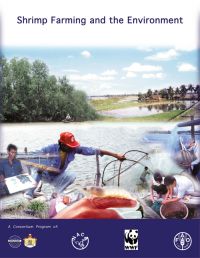
Este reporte da detalles de las actividades y resultados del trabajo conducido bajo el Programa en Consorcio del Banco Mundial, NACA, WWF y FAO sobre “Cultivo de Camarón y el Medio Ambiente”. Este reporte sintetiza los resultados más importantes del programa del consorcio desde 1999 hasta marzo de 2002. Incluye los resultados de los talleres de usuarios que discutieron los resultados del programa, auspiciados por el Banco Mundial en Washington, DC, en marzo de 2002.
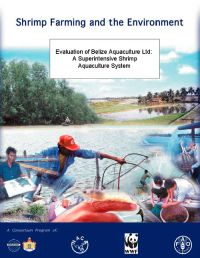
Belize Aquaculture, Ltd., has developed a superintensive shrimp aquaculture system operating in lined ponds with heavy mechanical aeration and water recirculation. The pilot study has been in progress for two years. Shrimp production has ranged from less than 8,000 kg/ha to more than 20,000 kg/ha per crop. Because the Belize Aquaculture, Ltd., production system appears to address a number of the environmental impacts of traditional shrimp aquaculture systems, a case study of this unique system was conducted.
This report reviews the state of shrimp aquaculture developent in Mexico, including its impact on employment, complexities surrounding coastal property rights, investment and health issues. Regulation and monitoring of the industry are still in their infancy, but SEMARNAP is putting in place a system that may be able to ensure that aquaculture will be sustainable. More effective involvement of the NGO community in the aquaculture sector may also help to monitor and ensure compliance with environmental regulations.