Farming of orange mud crab in the Indian Sundarbans: Opportunities and challenges
8 October 2025 | Biju Francis, Debasis De, Sudheer N. S. and Kuldeep K. Lal | 1572 Downloads | .pdf | 4.27 MB
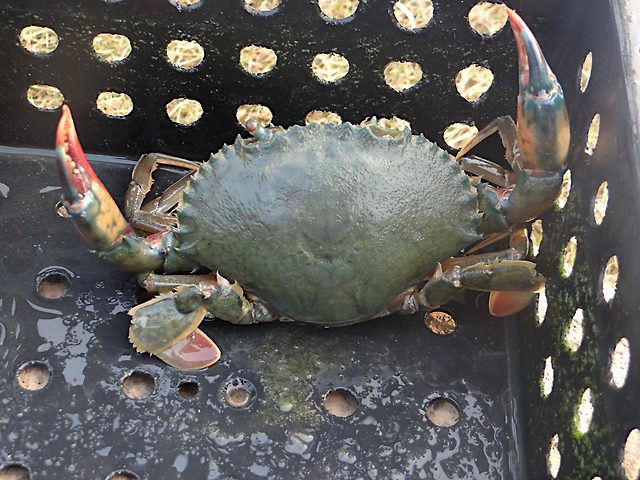
This article reviews the status of orange mud crab (Scylla olivacea) farming in the Indian Sundarbans, situating it within India’s broader mud crab aquaculture and export trade. It contrasts the biology, market positioning, and farming practices of S. olivacea with green mud crab (S. serrata), noting why the Sundarbans fishery and culture are dominated by S. olivacea. Key production models are described including earthen-pond grow-out, individual HDPE box fattening for gravid females, and seasonal pond fattening with tied claws, along with typical stocking, feeding with trash fish, grading, and live-export handling.
The article identifies major constraints to scale: unreliable wild seed supply, cannibalism and recovery issues in ponds, disease-associated mortality during fattening, labour intensity and cost of individual feeding, burrowing damage, and price volatility with multiple intermediaries. It also outlines opportunities: the high unit value of live crabs, strong export demand, and prospects from improved crablet production, formulated feeds, and innovations such as soft-shell and vertical systems.
1760101136_farming-orange-mud-crab-indian-sundarbans.pdf
Creative Commons Attribution.
Related
Aquaculture Asia Magazine, July-September 2025
10 October 2025 | 9688 views | .pdf | 14.32 MB