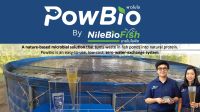
PowBio is a microbial inoculant developed by NileBioFish (NINEBIO GROUP Co., Ltd.) in Thailand to support sustainable biofloc aquaculture systems. Co-developed with Maejo University’s Faculty of Fisheries and Aquatic Resources and supported by the Thailand National Innovation Agency, PowBio uses high-efficiency microorganisms to turn fish pond waste into natural protein. By reducing ammonia and nitrite levels, improving water quality, and recycling nutrients within ponds, PowBio helps farmers cut feed costs, lower water exchange needs, and reduce chemical inputs. The result is healthier harvests without muddy off-flavors—delivered through a practical, low-cost, and easy-to-use solution for more productive and resilient aquaculture. This pitch was presented by Nissara Kitcharoen of NileBiofish.
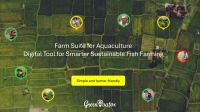
Farm Suite by Greenovator is a digital farm management tool tailored for aquaculture in Myanmar. The platform helps farms and agribusinesses streamline planning and daily operations by tracking activities, inputs, and yields through a real-time, business-grade dashboard. Recognised as a top-3 innovation in the Grow Asia Challenge, Farm Suite provides an affordable, professional alternative to manual record-keeping. With its mobile app interface, it delivers actionable insights that empower aquaculture managers to boost productivity and sustainability. This pitch was presented by Yin Yin Phyu.
Mariska Bottema (WorldFish) and Rebecca McMillan (IDRC) discuss the concept of nature-based aquaculture, why it matters for innovation and entrepreneurship, and how it can support ecosystems, communities, and profitability. Topics include: Defining nature-based aquaculture and its connection to nature-based solutions; criteria such as climate resilience, ecosystem health, reduced antimicrobial use, and inclusivity; global examples: mangrove–shrimp integration, women-led seaweed farming, integrated multi-trophic systems, and rice–fish farming; supportive technologies including IoT, renewable energy, and life cycle assessment; and opportunities for entrepreneurs: resilient farms, reduced risks, lower costs, premium markets, funding, and partnerships.
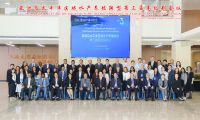
The 3rd High‑Level Meeting on Aquaculture Transformation in Asia and the Pacific, held 1–2 July in Shanghai, brought together governments, industry leaders and development partners to drive innovation, investment and sustainability in the region’s aquaculture sector. Discussions focused on scaling low‑cost fish production, making technology adoption easier for small farmers, improving access to finance, and strengthening regional cooperation. The meeting set clear priorities for accelerating transformation by 2030, with resources and key presentations now available online. Videos of the presentations are available for viewing on YouTube.
This video by Mike Phillips, CEO of FutureFish, explores the current state of aquaculture innovation and investment across the Asia-Pacific region. Technology innovation is advancing, especially for higher-value species, but challenges remain in scaling inclusive value chains and building climate resilience. Despite growth in private investment, significant financing gaps persist—particularly for SMEs and smallholders, who make up 90% of the sector. National policies, governance, and regulatory environments strongly influence the adoption and scaling of innovations.
The presentation highlights the importance of partnerships, innovation hubs, and better alignment between financing and transformation priorities to achieve sustainable and inclusive aquaculture development.