AQUAINNOVATE showcases regional aquaculture innovation and nature-based solutions
3 September 2025 | 38667 views
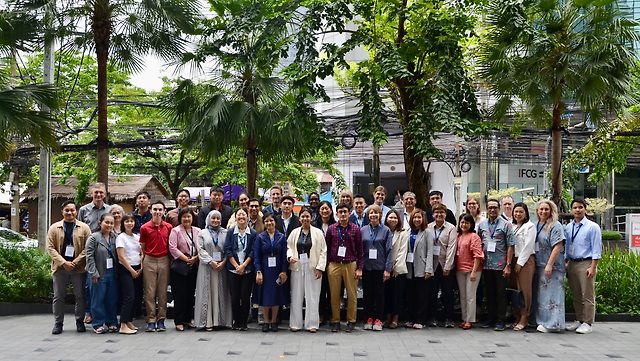
The first AquaInnovate event, held in Bangkok from 12-16 May, brought together aquaculture startups, entrepreneurs, researchers, and investors from across the Asia-Pacific region for an intensive week of learning, pitching, and collaboration. Convened by NACA and FutureFish, with funding support from Canada’s International Development Research Centre (IDRC) AQUADAPT project, the programme focused on accelerating nature-based aquaculture innovation and building a stronger regional startup ecosystem.
A platform for innovation
AquaInnovate was designed to provide entrepreneurs with the knowledge, networks, and tools to transform promising ideas into viable businesses. Over 25 participants from across Asia-Pacific joined the event, representing a diverse mix of early-stage companies, researchers, and innovators. Across five days, they engaged in interactive sessions, personalised coaching, field visits, and practical workshops, all aimed at sharpening business models and fostering partnerships.
Startup pitches and feedback
A key feature of the event was the startup pitch sessions, where 14 aquapreneurs presented solutions ranging from sustainable aquafeeds and probiotics to shrimp health innovations, aquaculture automation, and circular economy approaches. Each pitch was followed by questions and feedback from peers, industry experts, and investors. Entrepreneurs received practical advice on investment readiness, market positioning, and scaling strategies, helping to refine their value propositions.
Industry representatives from HydroNeo and UniFAHS shared lessons on scaling aqua-tech and biotech innovations, stressing the importance of affordability, trust-building, and local validation. Their insights reinforced the challenges and opportunities for startups navigating fragmented markets in Asia.
Expert sessions and coaching circles
The programme featured a series of expert-led sessions on core themes, including:
- Business fundamentals - practical steps to strengthen operations, build scalable ventures, and prepare for investment.
- Investing for impact - strategies to attract mission-aligned capital and engage with investors in developing Asia.
- Nature-based aquaculture solutions - aligning innovation with ecosystems, community resilience, and sustainability.
- Gender equality and social inclusion (GESI) ensuring aquaculture innovation is accessible, equitable, and empowering.
Small-group coaching circles gave participants the opportunity to workshop challenges directly with experts, covering issues such as IP ownership, commercialisation strategies, financing, and inclusive business design. These sessions provided targeted feedback and encouraged peer learning.
Field visits: Learning from Thai Innovators
Participants travelled to two pioneering farms in Thailand for hands-on learning. At LST Farm, Somprasong Natetip demonstrated Thailand’s only biosecure hatchery producing SPF all-male freshwater prawns, showcasing genetic RAS systems and low-energy water treatment innovations. At Boonsawang Farm, Gunn and Suthi Mahalao shared their approach to premium seabass farming, covering disease management, certification, and diversification into new species. These visits offered practical insights into the realities of farm operations, innovation adoption, and the commercial drivers shaping aquaculture businesses.
Watch the Presentations
Videos of startup pitches and expert sessions from AquaInnovate 2025 are now available below and on NACA's YouTube channel. For background on the participants and full programme details, please see the AquaInnovate Hub website .
Creative Commons Attribution.
Related
Knowledge brokering for nature-based solutions in aquaculture and transformation in Asia-Pacific: Support to the Aquaculture Innovation and Investment Hub
7 August 2024 | 38403 views

In this collection
Nature-based Aquaculture for Entrepreneurs and Innovators
20 August 2025 | Mariska Bottema and Rebecca McMillan | 2017 views
Nature-based Seafood Markets & Creative Partnerships — Panel at The Food School, Bangkok
20 August 2025 | Chef Black, Panu Boonsong, Suangchai Paungkaew and Gun Jinnawat | 1883 views