Small indigenous fish species: A source of nutritional security through rural aquaculture development
16 October 2025 | Prem Kumar, Jagruti Mote, Kedar Nath Mohanta, Munilkumar Sukham, Bijay Kumar Behera | 1256 Downloads | .pdf | 3.03 MB
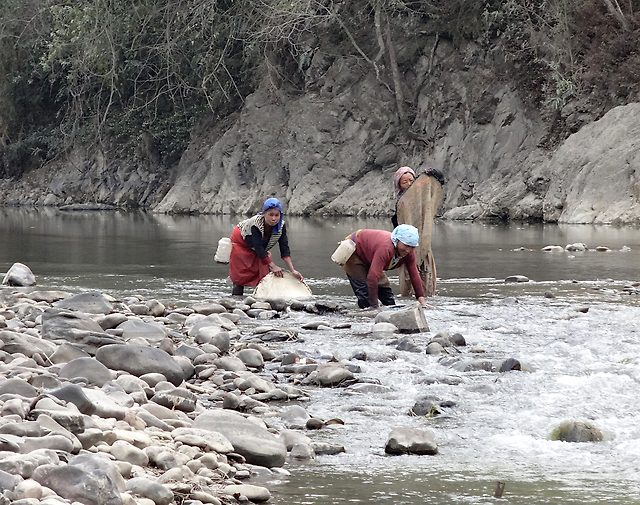
Small indigenous fish species (SIS), native freshwater fishes that typically mature at ≤25–30 cm, are nutrient-dense, widely available in rural waterscapes, and commonly eaten whole, delivering bioavailable vitamin A, iron, zinc, calcium, vitamin B12, quality protein, and omega-3 fatty acids. Integrating SIS into carp polyculture and rice-fish systems improves both productivity and household nutrition, especially for low-income communities reliant on cereal-based diets.
A major constraint to scaling nutrition-sensitive aquaculture is the shortage of hatchery-produced SIS seed. The article reviews nutrition evidence, production opportunities, and captive-breeding prospects for priority taxa including Amblypharyngodon mola, Puntius sophore, Anabas testudineus, Osteobrama cotio, Ompok bimaculatus, Mystus gulio and M. cavasius, and highlights field efforts (e.g., WorldFish/GIZ in Odisha and Assam). It calls for targeted R&D on seed production, husbandry, and year-round supply, alongside conservation of wild stocks, to mainstream SIS as a pillar of rural food and nutrition security.
1760621935_small-indigenous-fish-species.pdf
Creative Commons Attribution.
Related
Aquaculture Asia Magazine, October-December 2025
4 December 2025 | 12121 views | .pdf | 18.27 MB