A regional consultation on aquaculture feed production and use in Asia-Pacific was held from 7-9 March 2017. The consultation reviewed the current situation of aquaculture feed production and use, sourcing of ingredients, policy and research needs. This collection contains audio recordings of the technical presentations made by experts, international organisations, the private sector and governments in the region. The report of the consultation is in press and will be made available for download in due course.
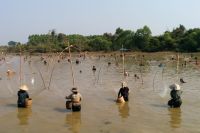
There are many initiatives underway which are designed to increase food supply, employment and income opportunities, most of which require considerable capital inputs. Often overlooked, are the opportunities to produce more food from the natural productivity of local ecosystems. Culture-based fisheries are one example of a relatively simple and low cost technology which can deliver nutritional and economic benefits to communities which often have few livelihood options.
The first Regional Training Course on Culture-based Fisheries will be held from 29 October to 9 November 2017 in Nha Trang, Vietnam. The course is designed to guide development professionals in the design of culture-based fisheries managed by local communities.
13 July 2017Mona Dverdal Jansen and Chadag Vishnumurthy Mohan | 8941 Downloads | .pdf | 830.05 KB
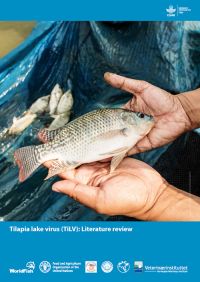
Tilapia lake virus (TiLV) is an emerging infectious agent that has recently been identified on three continents. While the link between TiLV and disease outbreaks in Israel and Thailand are well documented, further investigations are being undertaken to determine the significance of TiLV in the other countries. This report summarises the available scientific information on TiLV, including clinical signs, diagnostics and epidemiology. Infection with TiLV in tilapia populations may result in socio economic losses and impacts on food security.
Aquaculture Asia Magazine is an autonomous publication that gives farmers and scientists in developing countries a voice. Stories concern the small-scale aquaculture prevalent in the region and the circumstances of farmers trying to make ends meet in an increasingly globalised world. We accept articles on any aspect of aquaculture and the related processing, marketing, economic, environmental and social issues. An RSS feed is available if you wish to stay informed of new issues.
The NACA Newsletter covers research and development news from collaborating research centres and member governments. It published both as a stand-alone publication and as a section in Aquaculture Asia Magazine.