Reports received in 2025, as of the 2nd quarter, only came from few member governments including: Australia, Hong Kong SAR, India, Indonesia, Malaysia, Myanmar and Saudi Arabia. Listed below are the reported aquatic animal diseases covering the first and second quarters of 2025. The original and updated reports can be accessed at the Quarterly Aquatic Animal Disease report page.
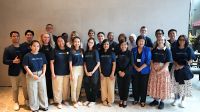
Bangkok, 7 October - NACA convened a one-day, in-person working group to shape the vision, mission and strategy for the AquaHub, a startup incubator and support network for innovators in the aquaculture space. The workshop focused on establishing the AquaHub’s vision, mission, values and partnership principles to define how it will operate, and the immediate steps required to mobilise partners and resources across the Asia–Pacific.
Participants began by clarifying the problems AquaHub should address and why a dedicated hub is the right vehicle. Small group exercises produced draft vision and mission statements looking to 2035, which were then refined through rapid peer feedback. This work was grounded in a brief review of AquaHub’s current status and the wider innovation landscape to ensure complementarity with existing efforts.
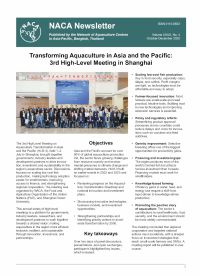
In this issue:
- Transforming Aquaculture in Asia and the Pacific: 3rd High-Level Meeting in Shanghai.
- Watch the HLM-3 presentations on YouTube!
- Thailand to chart aquaculture transformation plan at Bangkok workshop.
- Third Asia-Pacific Laboratory Proficiency Testing Program for Aquatic Animal Diseases launched.
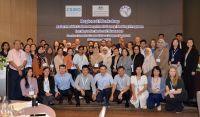
The third Asia-Pacific Laboratory Proficiency Testing Program for Aquatic Animal Diseases has been launched, with a regional workshop in Bangkok bringing together 50 people from 13 countries and territories across the region. The program, supported by the Australian Government Department of Agriculture, Fisheries and Forestry and CSIRO’s Australian Centre for Disease Preparedness, builds on more than a decade of collaboration to strengthen diagnostic capacity, safeguard aquaculture livelihoods, and support safe trade and food security.
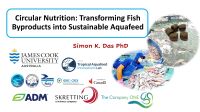
Circular nutrition in aquaculture focuses on reducing waste and closing nutrient loops by transforming fish byproducts into sustainable aquafeed. Simon Das from the Tropical Aquafeed Innovations Lab at James Cook University presents how this model can cut reliance on wild-caught forage fish while supporting cost-effective, nutritionally balanced diets. The lab’s work includes developing weaning protocols for pellet-ready fingerlings, training farmers in advanced feeding practices and economics, and promoting gender and youth inclusion. Circular nutrition highlights how rethinking resource use can make aquaculture both more efficient and more sustainable.


