Entrepreneurship development through brackish water ornamental fish farming in Indian Sundarbans
22 January 2026 | Babita Mandal, Dani Thomas, Raymond J. Angel, Sandeep K.P., Sagar Bag, M. Kailasam, Debasis De, Kuldeep K. Lal | 818 Downloads | .pdf | 5.56 MB
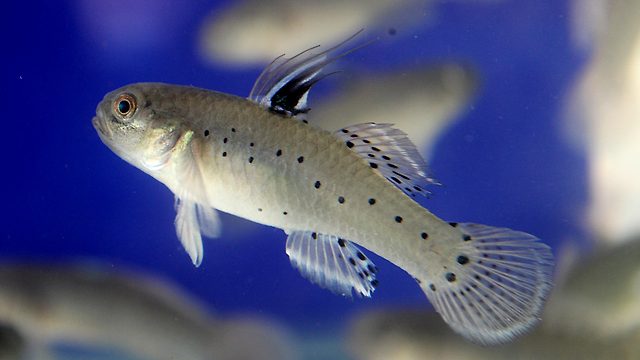
The Indian Sundarbans region supports diverse brackishwater ornamental fish species with significant commercial potential. The mangrove forests and estuarine networks provide natural breeding and nursery grounds for euryhaline species including spotted scat (Scatophagus argus), green pufferfish (Dichotomyctere fluviatilis), four-banded tiger fish (Datnioides polota), crescent perch (Terapon jarbua), brackishwater eels (Anguilla sps.), and knight goby (Stigmatogobius sadanundio). Traditionally, local seed collectors capture wild juveniles for sale to urban ornamental fish markets in Kolkata and Howrah, West Bengal. With growing domestic and international demand for brackishwater ornamental species, small-scale farmers in South 24 Parganas district have begun commercial production of these fish.
ICAR-Central Institute of Brackishwater Aquaculture (ICAR-CIBA) established its Kakdwip Research Centre in the Indian Sundarbans in 1987 to promote scientific brackishwater aquaculture. The centre introduced and disseminated ornamental species like pearlspot (Etroplus suratensis) and orange chromide (Etroplus maculatus) to local farmers through training programmes on broodstock management, hatchery techniques, and nursery rearing practices.
This article presents three case studies of successful brackishwater ornamental fish entrepreneurs from Kakdwip Block who transformed their livelihoods through scientific aquaculture practices. Mr Tapan Maity operates JoyKrishna Hatchery on 1.9 hectares of land with integrated hatchery and grow-out facilities, producing 1,000-3,000 fingerlings monthly. Mr Mahendra Dului developed a 32-tank hatchery facility and culture ponds, using both commercial and farm-made feeds to optimise production costs. Mr Aurobindo Haldar transitioned from a debt-ridden shopkeeper to a successful fish farmer, clearing his debts within three years through pearlspot juvenile production.
These farmers employ scientific methods including selective broodstock management, optimised pond preparation, zooplankton enrichment, proper stocking densities, and careful water quality monitoring. They rear wild-collected and hatchery-produced juveniles for 2-3 months to reach marketable sizes of 5-9.5 cm. Marketing channels include direct sales to Kolkata and Howrah pet markets and expanding interstate demand through social media.
The brackishwater ornamental fish sector offers sustainable livelihood opportunities for rural coastal communities. However, challenges including salinity fluctuations, limited quality seed availability, and natural calamities require continued intervention through improved hatchery technology, farmer training, market connectivity, and exploration of export opportunities to neighbouring countries.
1769125142_brackishwater-ornamental-fish-farming.pdf
Creative Commons Attribution.
Related
Aquaculture Asia Magazine, January-March 2026
24 January 2026 | 11272 views | .pdf | 21.85 MB