This report, the 66th in the series, contains information about the aquatic animal health status of fourteen states in the Asia-Pacific region. The foreword discusses key activities of the NACA Regional Aquatic Animal Health Programme.
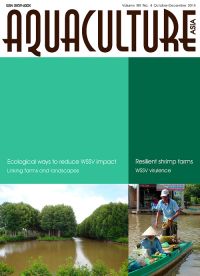
Promising aquaculture practices for sustainable intensification. Culture and breeding of Archcentrus spilurum at Tuticorin District of Tamil Nadu, India. Searching for ecological ways to reduce WSSV impact. Fisheries and aquaculture-based livelihoods prospects in East Kalimantan, Indonesia. Linking farms and landscapes in the governance of sustainable Vietnamese shrimp aquaculture. Resilience of shrimp farming based livelihoods in the Mekong Delta, Vietnam. Farming system affects the virulence of white spot syndrome virus (WSSV) in penaeid shrimp.
The main objective of this symposium is to provide a venue for information sharing on extension of small-scale aquaculture, specifically targeted to those individuals and relevant organizations involved in various aquaculture development projects. The symposium will also assess and present the effectiveness of “farmer-to-farmer extension” approach in the implementation of relevant aquaculture development projects in the region. The symposium was organised for stakeholders in JICA-assisted projects in SE Asia and Africa.
NACA was privileged to have the opportunity to attend the National Fish Day celebrations in Cambodia, held at the Kdol Reservoir in Kampol Chhnange Province on 1 July and organised by the Fisheries Administration. Approximately 10,000 people attended the ceremony, including many school children and villagers from surrounding areas, which was presided over by Prime Minister Hun Sen. The ceremony concluded with the release of approximately 1.5 million fry into the reservoir, as well as a large number of adult broodstock of a wide variety of species.
This report, the 65th in the series, contains information about the aquatic animal health status of thirteen states in the Asia-Pacific region. The foreword discusses the outcomes of the 13th meeting of the Asia Regional Advisory Group on Aquatic Animal Health.