Innovation

Content related to innovative practices, people and technologies in the aquaculture space.

Copyright, all rights reserved.

Related

Subject tags

A collection of subject tags relating to technical matters.

In this collection

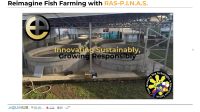
Reimagine Fish Farming with RAS-P.I.N.A.S

Elisa Claire Sy of E-Primate presents RAS-P.I.N.A.S, a closed-loop, water-efficient system for land-based fish farming. The technology integrates biofiltration, aeration, and mechanical treatment to support high-density production while conserving water and land and reducing disease risk. RAS-P.I.N.A.S also offers flexibility in farm siting, with trade-offs in energy use and infrastructure costs. Recirculating aquaculture systems are gaining traction as a key innovation in Asia’s sustainable aquaculture future.

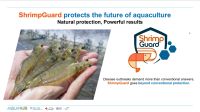
ShrimpGuard: Nature's shield for healthy shrimp

ShrimpGuard, developed by BIOTEC, NSTDA, and Kasetsart University in Thailand, is a phage-based innovation for managing shrimp health. It targets Vibrio infections using bacteriophages combined with immune-boosting agents, reducing antimicrobial use while improving farm productivity and sustainability across ASEAN. The project also engages farmers directly through training, outreach, and field trials to ensure practical application and lasting benefits for coastal communities and the wider aquaculture sector. This pitch was presented by Wanilada Rungrassamee of BIOTEC.

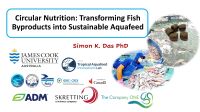
Circular Nutrition: Transforming Fish Byproducts into Sustainable Aquafeed

Circular nutrition in aquaculture focuses on reducing waste and closing nutrient loops by transforming fish byproducts into sustainable aquafeed. Simon Das from the Tropical Aquafeed Innovations Lab at James Cook University presents how this model can cut reliance on wild-caught forage fish while supporting cost-effective, nutritionally balanced diets. The lab’s work includes developing weaning protocols for pellet-ready fingerlings, training farmers in advanced feeding practices and economics, and promoting gender and youth inclusion. Circular nutrition highlights how rethinking resource use can make aquaculture both more efficient and more sustainable.

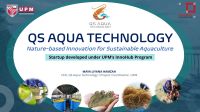
QS Aqua Technology: Nature-based Innovation for Sustainable Aquaculture

QS Aqua Technology, a startup from the InnoHub Program of Universiti Putra Malaysia, develops nature-based probiotic solutions for sustainable aquaculture. Their approach combines beneficial bacteria that support gut health and maintain balanced pond ecosystems with quorum sensing inhibition compounds from microalgae. These compounds block harmful bacteria from communicating, preventing disease outbreaks and reducing dependence on antibiotics. By improving pond health and resilience through microbial and algal innovations, QS Aqua Technology offers farmers safer, more sustainable tools to manage aquaculture production. This pitch was presented by Maya Liyana Hamzah of QS Aqua Technology.

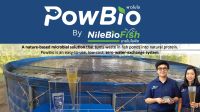
PowBio: A nature-based microbial solution turning fish pond waste into protein

PowBio is a microbial inoculant developed by NileBioFish (NINEBIO GROUP Co., Ltd.) in Thailand to support sustainable biofloc aquaculture systems. Co-developed with Maejo University’s Faculty of Fisheries and Aquatic Resources and supported by the Thailand National Innovation Agency, PowBio uses high-efficiency microorganisms to turn fish pond waste into natural protein. By reducing ammonia and nitrite levels, improving water quality, and recycling nutrients within ponds, PowBio helps farmers cut feed costs, lower water exchange needs, and reduce chemical inputs. The result is healthier harvests without muddy off-flavors—delivered through a practical, low-cost, and easy-to-use solution for more productive and resilient aquaculture. This pitch was presented by Nissara Kitcharoen of NileBiofish.

Digital Solutions for Farmers in Myanmar

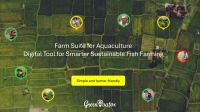
Farm Suite by Greenovator is a digital farm management tool tailored for aquaculture in Myanmar. The platform helps farms and agribusinesses streamline planning and daily operations by tracking activities, inputs, and yields through a real-time, business-grade dashboard. Recognised as a top-3 innovation in the Grow Asia Challenge, Farm Suite provides an affordable, professional alternative to manual record-keeping. With its mobile app interface, it delivers actionable insights that empower aquaculture managers to boost productivity and sustainability. This pitch was presented by Yin Yin Phyu.

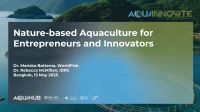
Nature-based Aquaculture for Entrepreneurs and Innovators

Mariska Bottema (WorldFish) and Rebecca McMillan (IDRC) discuss the concept of nature-based aquaculture, why it matters for innovation and entrepreneurship, and how it can support ecosystems, communities, and profitability. Topics include: Defining nature-based aquaculture and its connection to nature-based solutions; criteria such as climate resilience, ecosystem health, reduced antimicrobial use, and inclusivity; global examples: mangrove–shrimp integration, women-led seaweed farming, integrated multi-trophic systems, and rice–fish farming; supportive technologies including IoT, renewable energy, and life cycle assessment; and opportunities for entrepreneurs: resilient farms, reduced risks, lower costs, premium markets, funding, and partnerships.

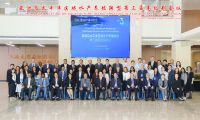
Transforming Aquaculture in Asia and the Pacific – 3rd High-Level Meeting in Shanghai

The 3rd High‑Level Meeting on Aquaculture Transformation in Asia and the Pacific, held 1–2 July in Shanghai, brought together governments, industry leaders and development partners to drive innovation, investment and sustainability in the region’s aquaculture sector. Discussions focused on scaling low‑cost fish production, making technology adoption easier for small farmers, improving access to finance, and strengthening regional cooperation. The meeting set clear priorities for accelerating transformation by 2030, with resources and key presentations now available online. Videos of the presentations are available for viewing on YouTube.

Regional assessment of innovation & investment for aquaculture transformation in Asia-Pacific

This video by Mike Phillips, CEO of FutureFish, explores the current state of aquaculture innovation and investment across the Asia-Pacific region. Technology innovation is advancing, especially for higher-value species, but challenges remain in scaling inclusive value chains and building climate resilience. Despite growth in private investment, significant financing gaps persist—particularly for SMEs and smallholders, who make up 90% of the sector. National policies, governance, and regulatory environments strongly influence the adoption and scaling of innovations. 

The presentation highlights the importance of partnerships, innovation hubs, and better alignment between financing and transformation priorities to achieve sustainable and inclusive aquaculture development.

Development of National Innovation & Investment Plans & Aquaculture transformation monitoring system

This video by Tipparat Pongthanapanich, FAO, provides an overview of the development of National Innovation and Investment Plans (NIIPs) and the regional Aquaculture Transformation Monitoring, Evaluation and Learning System (ATMS). NIIPs aim to guide each country's strategic priorities for innovation and investment in aquaculture through 2030, aligned with the regional transformation vision. ATMS will support regional progress tracking and knowledge sharing.

An FAO-led technical cooperation project project is supporting the pilot development of NIIPs and ATMS in four countries - India, Thailand, Viet Nam, and the Philippines - with a view to wider regional application. Key components include strategic visioning, policy alignment, project formulation, and robust monitoring systems to drive inclusive, sustainable aquaculture development.

Assessing aquaculture transformation initiatives in China

This video by Wenbo Zhang, Shanghai Ocean University, presents an overview of China’s aquaculture transformation journey as part of the broader “Blue Revolution.” It highlights trends in global aquatic animal production and outlines key challenges such as land use changes and environmental pressures.

The presentation details a series of national policies and strategies introduced since 2019 to promote green, healthy, and high-quality aquaculture development ranging from pond standardisation and deep-sea farming to innovation-driven investment and value chain upgrading. It also reviews recent actions supporting ecological farming, wastewater treatment, reduced chemical use, and improved germplasm resources, and introduces efforts to assess the impact of these transformation initiatives across the sector.

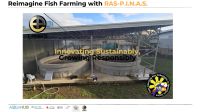
Reimagine Fish Farming with RAS-P.I.N.A.S

This presentation by Elisa Claire Sy of E-Primate, showcases how RAS-P.I.N.A.S - a closed-loop, water-efficient technology - enables high-density, land-based fish farming using biofiltration, aeration, and mechanical treatment strategies. Discover how RAS conserves water and land, minimises disease risk, and offers flexibility in farm siting, while recognising the trade-offs of energy demands and infrastructure costs. Learn why RAS is gaining momentum as a key innovation in Asia's sustainable aquaculture future.

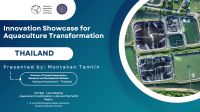
Thailand: Innovation showcase for aquaculture transformation

This video by Montakan Tamtin, Department of Fisheries, features two presentations from Thailand’s delegation to the 3rd High-Level Meeting on Aquaculture Transformation in Asia and the Pacific Region. The first showcases innovation and nature-based solutions in aquaculture via the IDRC-funded AQUADAPT Project; the second presents Thailand’s pilot initiative for low-carbon shrimp farming under an FAO Technical Cooperation Programme.

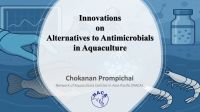
Innovations on alternatives to antimicrobials in aquaculture

This video by Chokanan Prompichai, NACA, presents two promising innovations aimed at reducing antimicrobial use (AMU) in aquaculture, showcased as part of Thailand’s National Innovation and Investment Plan (NIIP) and via the IDRC-funded InnoVet-AMR 2.0 Project. NanoVac, developed by AIT, uses nanobubbles to deliver vaccines to tilapia, while ShrimpGuard, developed by BIOTEC and KU, is a bacteriophage-based solution for managing shrimp diseases. Both technologies offer potential to combat antimicrobial resistance (AMR) without leaving chemical residues. The presentation compares their readiness, challenges, and adoption, incorporating feedback from shrimp farmers across Thailand. It highlights the need for cost-effective, easy-to-use solutions that align with farmers' real-world needs and regulatory frameworks.

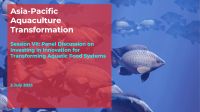
Investing in innovation for transforming aquatic food systems

This video by Tipparat Pongthanapanich, FAO, is focussed on the critical role of investment in transforming aquatic food systems. The discussion explores strategies to mobilise finance from private capital, public investment, and development finance to meet the region’s substantial innovation needs. Topics include how to support SMEs and start-ups, bridge early- to late-stage funding gaps, and manage investment risks. With Asian aquaculture dominating global production but receiving limited venture capital, the session calls for coordinated action to unlock the sector’s full potential for sustainable growth, jobs, and food security.

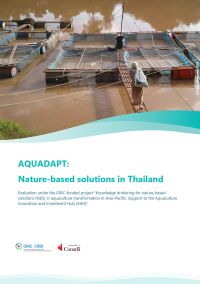
AQUADAPT: Nature-based solutions in Thailand

The project evaluated the effectiveness of various types of nature-based solution (NbS) in Thailand that contribute to climate change resilience by enabling off-grid farm operations and reducing reliance on costly fossil fuels. Aquaculture enterprises were assessed for this project based on the NbS they utilised and the potential benefits they offer in mitigating climate change impacts and enhancing production systems in Thailand. Three enterprises / innovations were selected and are described within.

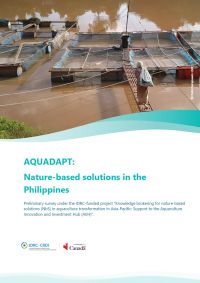
AQUADAPT: Nature-based solutions in Philippines

The project conducted a preliminary survey of the effectiveness of various types of nature-based solution (NbS) in use in the Philippines that contribute to climate change resilience by enabling off-grid farm operations and reducing reliance on costly fossil fuels, renewable materials and improved designs that enhance efficiency. Aquaculture enterprises were assessed for this project based on the NbS they utilised and the potential benefits they offer in mitigating climate change impacts and enhancing production systems.

Based on BFAR Regional Field Office Submissions, 50 aquaculture innovations nationwide have been identified to date. The list will be extended and screened as further regions report, in cooperation with the BFAR National Research Centers.