Shrimp

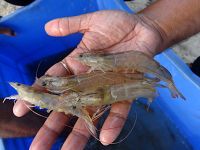
Information relating to the aquaculture of marine shrimp.

Creative Commons Attribution.

Related

Species / commodity tags

Major farmed commodity or species groups.

In this collection

Digital Solutions for Farmers in Myanmar

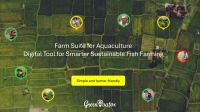
Farm Suite by Greenovator is a digital farm management tool tailored for aquaculture in Myanmar. The platform helps farms and agribusinesses streamline planning and daily operations by tracking activities, inputs, and yields through a real-time, business-grade dashboard. Recognised as a top-3 innovation in the Grow Asia Challenge, Farm Suite provides an affordable, professional alternative to manual record-keeping. With its mobile app interface, it delivers actionable insights that empower aquaculture managers to boost productivity and sustainability. This pitch was presented by Yin Yin Phyu.

Thailand: Innovation showcase for aquaculture transformation

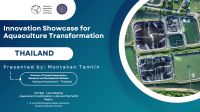
This video by Montakan Tamtin, Department of Fisheries, features two presentations from Thailand’s delegation to the 3rd High-Level Meeting on Aquaculture Transformation in Asia and the Pacific Region. The first showcases innovation and nature-based solutions in aquaculture via the IDRC-funded AQUADAPT Project; the second presents Thailand’s pilot initiative for low-carbon shrimp farming under an FAO Technical Cooperation Programme.

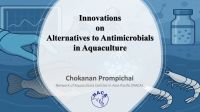
Innovations on alternatives to antimicrobials in aquaculture

This video by Chokanan Prompichai, NACA, presents two promising innovations aimed at reducing antimicrobial use (AMU) in aquaculture, showcased as part of Thailand’s National Innovation and Investment Plan (NIIP) and via the IDRC-funded InnoVet-AMR 2.0 Project. NanoVac, developed by AIT, uses nanobubbles to deliver vaccines to tilapia, while ShrimpGuard, developed by BIOTEC and KU, is a bacteriophage-based solution for managing shrimp diseases. Both technologies offer potential to combat antimicrobial resistance (AMR) without leaving chemical residues. The presentation compares their readiness, challenges, and adoption, incorporating feedback from shrimp farmers across Thailand. It highlights the need for cost-effective, easy-to-use solutions that align with farmers' real-world needs and regulatory frameworks.

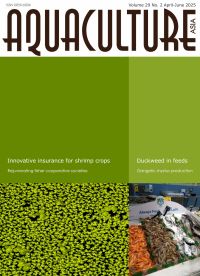
Aquaculture Asia Magazine, April-June 2025

In this issue:

  • From risk to resilience: Innovative crop insurance solutions for securing shrimp aquaculture in India
  • Efforts to rejuvenate primary fisher cooperative societies in South 24 Parganas District, West Bengal
  • Captive production of Gangetic mystus (Mystus cavasius): A guide for farmers
  • Shrimp farm biosecurity in Saudi Arabia: A journey from past practices to future vision
  • Wolffia globosa (duckweed) in aquafeeds for profitability and eco-friendly sustainable aquaculture
  • NACA Newsletter

Shrimp farm biosecurity in Saudi Arabia: A journey from past practices to future vision

Shrimp aquaculture in Saudi Arabia has evolved significantly since its inception in the 1990s, transitioning from freshwater tilapia farming to large-scale marine shrimp production, primarily focused on Penaeus vannamei. This shift was driven by market demand, environmental suitability, and the impact of disease outbreaks such as white spot syndrome. However, early development faced major biosecurity challenges, including inadequate regulation, limited local hatchery capacity, insufficient disease monitoring, and a lack of trained personnel.

In recent years, the Ministry of Environment, Water & Agriculture (MEWA) has undertaken a comprehensive reform of shrimp farm biosecurity, aligned with the country’s Vision 2030 objectives. This includes regulatory controls on live shrimp imports, development of disease monitoring infrastructure, biosecurity training, and enhanced collaboration with private sector and academic institutions. MEWA has also promoted technology transfer, workforce development, and sustainable hatchery expansion. While progress is evident, future priorities include improving local broodstock availability, expanding real-time disease diagnostics, and strengthening biosecurity human resource capacity to ensure long-term industry stability and resilience.

From risk to resilience: Innovative crop insurance solutions for securing shrimp aquaculture in India

India's brackishwater aquaculture sector, particularly shrimp farming, holds immense potential but remains largely underexploited despite its significant contribution to global shrimp production and exports. Small-scale farmers, who form the backbone of this industry, face substantial challenges including limited access to credit and insurance, poor management practices, and vulnerability to disease outbreaks and extreme weather events. These risks lead to considerable crop losses and hinder the sector's stability and growth. This article underscores the critical role of crop insurance as a vital risk management tool to mitigate these financial losses, secure livelihoods, and promote the sustainable development of shrimp aquaculture in India.

This article details the risks associated with shrimp farming, such as climatic events, disease outbreaks, market volatility, and financial constraints. It also outlines comprehensive risk management strategies, including the adoption of better management practices, biosecurity measures, and contingency planning. The article identifies key challenges faced by both farmers and insurers and presents innovative solutions and strategic recommendations for developing more effective and inclusive shrimp crop insurance products.

Reported Aquatic Animal Diseases in the Asia-Pacific Region during the Fourth Quarter of 2024

With the implementation of new aquatic animal disease reporting arrangements from January 2021 NACA is publishing reported aquatic animal diseases submitted by countries in the Asia-Pacific region. This report covers the fourth quarter of 2024 and the original and updated reports can be accessed from the QAAD page.

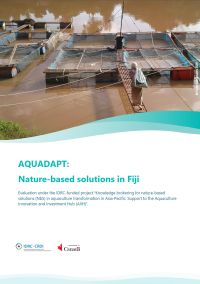
AQUADAPT: Nature-based solutions in Fiji

The project evaluated the effectiveness of various types of nature-based solution (NbS) in Fiji that contribute to climate change resilience by enabling off-grid farm operations and reducing reliance on costly fossil fuels. Aquaculture enterprises were assessed for this project based on the NbS they utilised and the potential benefits they offer in mitigating climate change impacts and enhancing production systems in Fiji. Four enterprises were selected, and their descriptions are provided within.

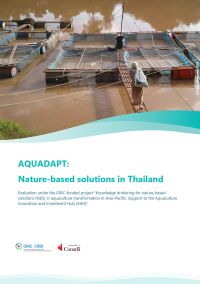
AQUADAPT: Nature-based solutions in Thailand

The project evaluated the effectiveness of various types of nature-based solution (NbS) in Thailand that contribute to climate change resilience by enabling off-grid farm operations and reducing reliance on costly fossil fuels. Aquaculture enterprises were assessed for this project based on the NbS they utilised and the potential benefits they offer in mitigating climate change impacts and enhancing production systems in Thailand. Three enterprises / innovations were selected and are described within.

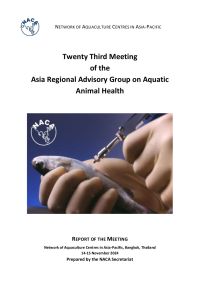
Report of the 23rd Asia Regional Advisory Group on Aquatic Animal Health

This report summarises the proceedings of the 23rd meeting of the Regional Advisory Group on Aquatic Animal Health, held 14-15 November 2024 by video conference. The role of the group is to review trends in disease and emerging threats in the region, identify developments in global disease issues and standards, to evaluate the Quarterly Aquatic Animal Disease Reporting Program and to provide guidance on regional strategies to improve aquatic animal health management.

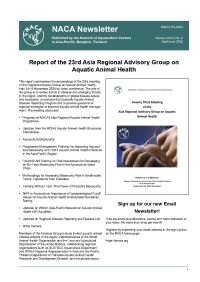
NACA Newsletter, Vol. XXXX, April-June 2025

In this issue:

  • Report of the 23rd Asia regional Advisory Group on Aquatic Animal Health.
  • Sign up for our new Email Newsletter!
  • AQUAINNOVATE: An AquaHub Event.
  • Workshop on sustainable brine shrimp Artemia cultivation, 17 February, Tashkent.
  • Tuskfish CMS V2.1 released.
  • TCRS Shrimp Summit to spotlight issues.
  • Global Artemia Summit: 27 June, Entebbe, Uganda.

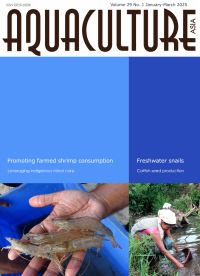
Aquaculture Asia Magazine, January-March 2025

In this issue:

  • Promoting farmed shrimp consumption in India’s domestic market: A step towards sustainability
  • Leveraging indigenous minor carp for sustainable aquaculture in Northeast India
  • Shaping the future of Indian aquaculture: A path to captive catfish seed success
  • Sustainable freshwater snail farming: Advancing nutrition security and rural livelihoods in Northeast India
  • Promotion and protection of small fish species through farming: An initiative in Tripura
  • NACA Newsletter

TCRS Shrimp Summit To Spotlight Issues Driving Industry Changes

PORTSMOUTH, NH:  Shrimp experts from around the world will gather in Bali this June for the third annual TCRS Shrimp Summit—a one-of-a-kind event that explores the issues impacting the industry's health and future, from the pond to the market. The summit is unique not just because it represents the full value chain, including major buyers, but because it spotlights the topics, both technical and tactical, that are driving change.

This year's Summit, which takes place 22-25 June, 2025, introduces several new sessions that demonstrate the event's role as a singular forum for investigating the issues that matter.

One such issue is Shrimp Welfare, particularly the use of eyestalk ablation for rapid egg production. Dr. Simão Zacarias, one of the session speakers and a recipient of the 2020 Global Aquaculture Innovation Award, says that, "although eyestalk ablation can boost egg production, it is also associated with female broodstock stress, physiological imbalance, mortality, and compromised diseas resistance in offspring."
Promoting farmed shrimp consumption in India’s domestic market: A step towards sustainability

India's shrimp farming industry plays a crucial role in the national economy, with Penaeus vannamei dominating production and exports. Despite India being one of the world's largest shrimp producers, domestic shrimp consumption remains low. This article explores the economic significance of farmed shrimp, the challenges faced by shrimp farmers in West Bengal, and the potential for expanding the domestic market to enhance industry sustainability. Promoting farmed shrimp consumption within India is a viable strategy to stabilize the industry. Increasing consumer awareness of shrimp’s health benefits, developing efficient distribution networks, and leveraging marketing initiatives could enhance domestic demand. Government agencies, industry associations, and private enterprises must collaborate to establish shrimp as a mainstream protein source in Indian diets, thereby ensuring long-term sustainability for shrimp farmers.

Reported Aquatic Animal Diseases in the Asia-Pacific Region during the Second Quarter of 2024

With the implementation of the new aquatic animal disease reporting in the Asia Pacific region from January 2021 NACA is publishing reported aquatic animal diseases submitted by countries in the Asia-Pacific region. This report covers the second quarter of 2024 and the original and updated reports can be accessed from the QAAD page.

14th Asian fisheries and Aquaculture Forum: Early bird closes 10 November

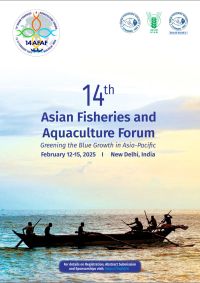
The 14th Asian Fisheries and Aquaculture Forum (14AFAF) will be held from 12-15 February 2025 in New Delhi, India. Submission of abstracts has been extended until 5 November, and early bird registration closes on 10 November, so get in quick!

The forum is a scientific meeting organised by the Asian Fisheries Society (AFS) once every three years to understand the global trends and address issues and challenges faced by the fisheries and aquaculture sector. The main purpose of this Forum is to provide an international platform for eminent scientists, young researchers, and other stakeholders across the globe to share their research experiences and innovative ideas. By facilitating the exchange of diverse range of knowledge and expertise, the Forum with the Theme ‘Greening the Blue Growth in Asia-Pacific’ aims to address key issues towards developing sustainable fisheries and aquaculture.

Reported Aquatic Animal Diseases in the Asia-Pacific Region during the First Quarter of 2024

With the implementation of the new aquatic animal disease reporting in the Asia Pacific region from January 2021, and in lieu of the published QAAD Reports (last issue published was 4th quarter of 2020), NACA is publishing reported aquatic animal diseases submitted by countries in the Asia-Pacific region. This report covers the first quarter of 2024 and the original and updated reports can be accessed from the QAAD page.

Free seminar: To vaccinate or not to vaccinate, 20 June 2024 (hybrid event)

This event, held jointly via Zoom or in person at FAO Headquarters in Rome, will bring together leading experts to delve into the topic of fish vaccination and new developments regarding shrimp vaccination as a vital biosecurity strategy. Current knowledge will be reviewed, examining obstacles, and uncovering opportunities for vaccine development. Bridging theory with actionable practice, the seminar aims to foster informed decision-making, discussing the potential of vaccination and addressing associated challenges. Building upon the success of the Tilapia Health webinar held in December 2021 and Tilapia health: quo vadis, this conference will be a continuation of impactful discussions, promising a dynamic and enriching experience for all participants.

Reported Aquatic Animal Diseases in the Asia-Pacific Region during the Fourth Quarter of 2023

With the implementation of the new aquatic animal disease reporting in the Asia Pacific region from January 2021, and in lieu of the published QAAD Reports (last issue published was 4th quarter of 2020), NACA is publishing reported aquatic animal diseases submitted by countries in the Asia-Pacific region. This report covers the fourth quarter of 2023 and the original and updated reports can be accessed from the QAAD page.

Reported Aquatic Animal Diseases in the Asia-Pacific Region during the Third Quarter of 2023

With the implementation of the new aquatic animal disease reporting in the Asia Pacific region from January 2021, and in lieu of the published QAAD Reports (last issue published was 4th quarter of 2020), NACA is publishing reported aquatic animal diseases submitted by countries in the Asia-Pacific region. This report covers the third quarter of 2023 and the original and updated reports can be accessed from the QAAD page